This article is reposted from Science and Technology Daily (China Science and Technology Network), published on August 11, 2025, by reporter Hong Jingpu.
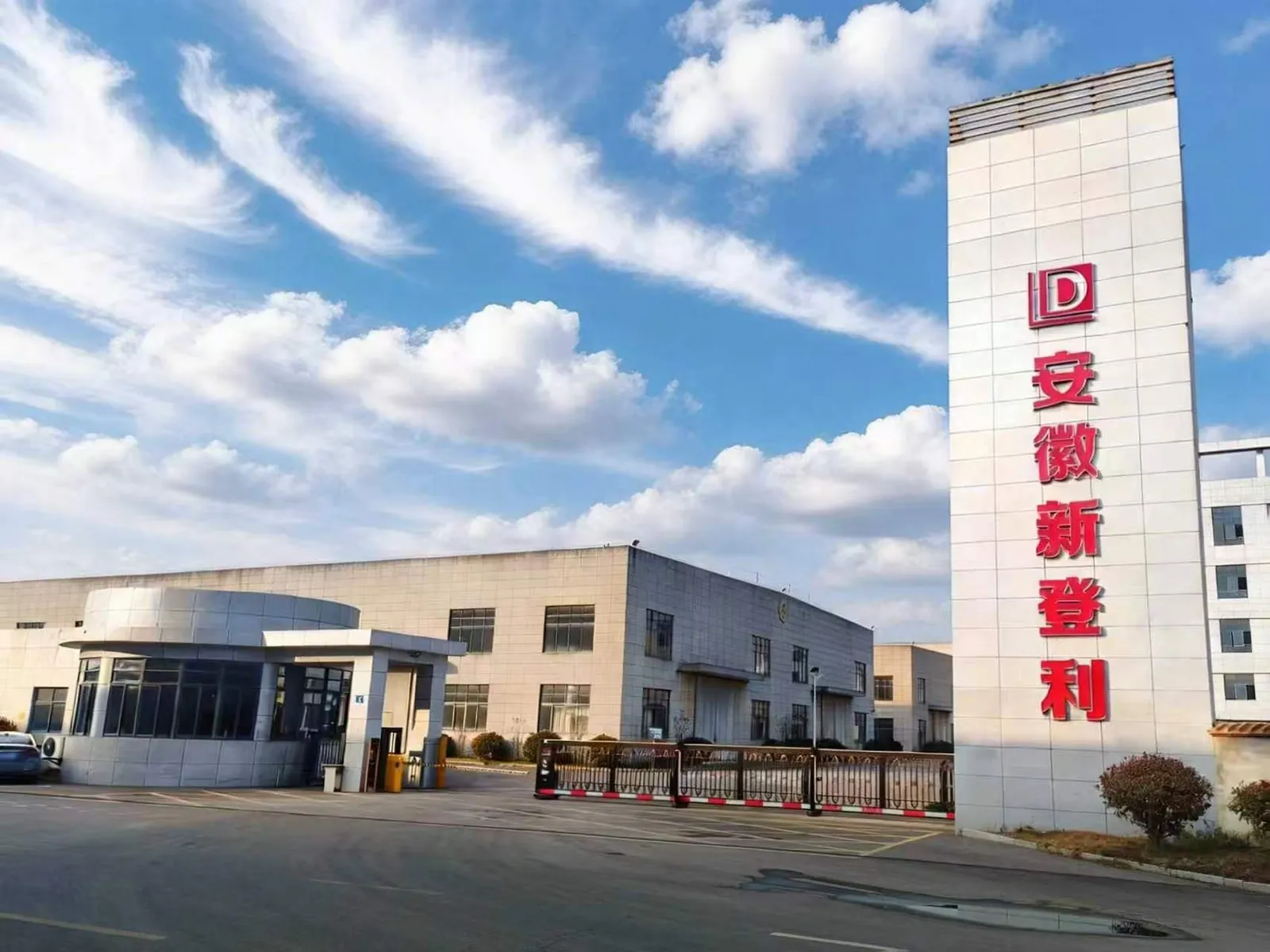
On the morning of August 9, inside the fully automated production workshop of Syzerly in the Jinzhai Modern Industrial Park, Anhui Province, bundles of discarded clothing seemed to be endowed with a code for rebirth: they were shredded into small pieces by a shredder and underwent a "transformation" in a high-temperature heating unit. Finally, these small pieces were turned into black-and-white pellets, waiting to enter the next stage of the rebirth process.
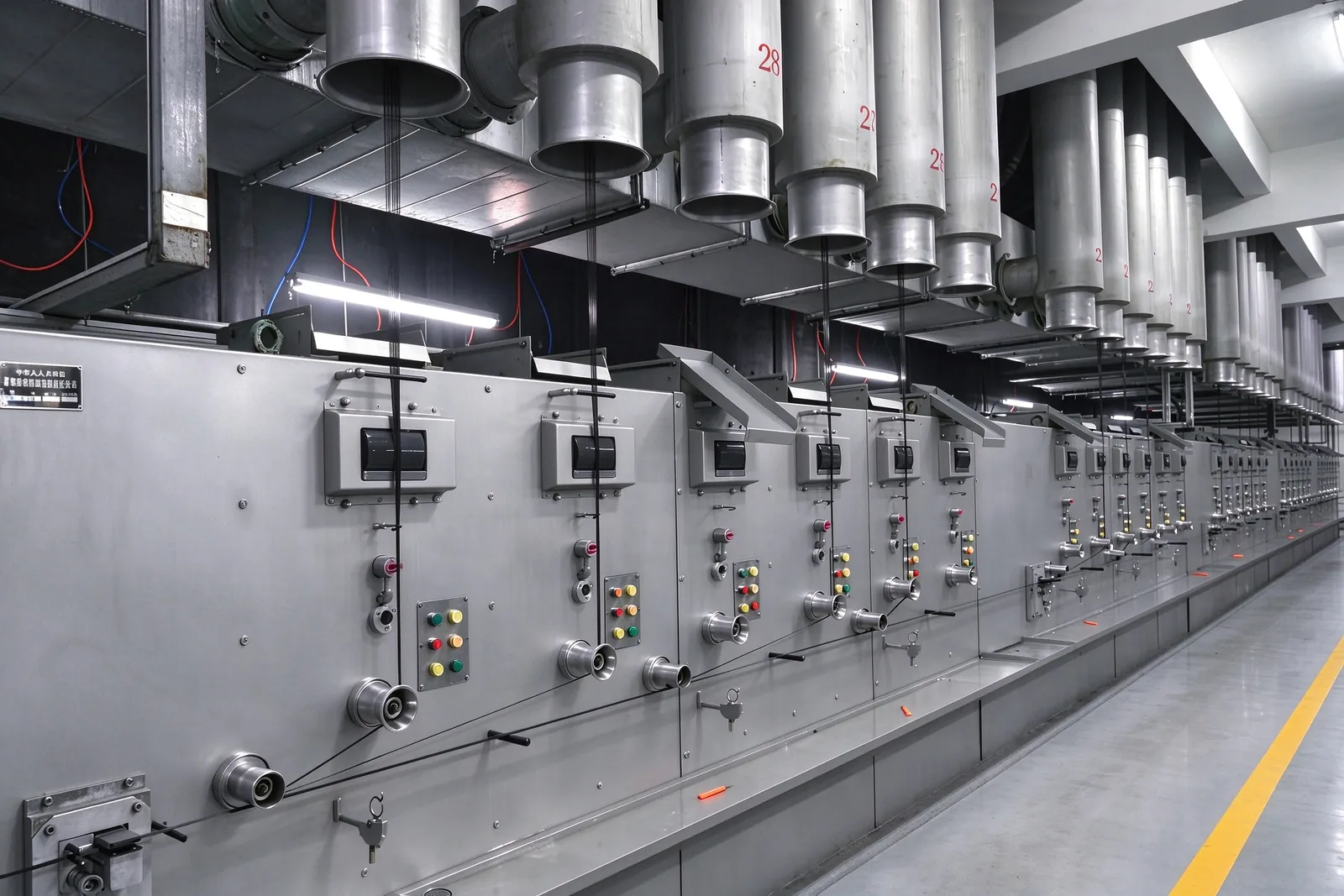
This 100,000-ton-scale production line is performing the circular miracle of "from old clothes to new clothes" at a rate of several tons of waste per hour, and at the core of it all is the company's self-developed T2T (Textile-to-Textile) chemical recycling technology. "This technology achieves 100% recyclability 'from old clothes to new clothes,'" Ye Xiaozhe, General Manager of Anhui Syzerly, told a Science and Technology Daily reporter.
Journalists visit Syzerly to see its key technology achievements. (Photo courtesy of Syzerly)
Innovative Technology Turns Textile Waste into New Clothing
The textile industry's "ecological bill" remains staggering: more than 10 billion new garments are produced globally each year, yet 92 million of them end up buried in landfills, with a recycling and reuse rate of less than 20%. New technological pathways and a new industrial consensus are becoming critical issues that urgently require attention in achieving the "dual carbon" goals.
"Our T2T chemical process enables polyester textile waste to undergo molecular-level decomposition and high-purity repolymerization," Ye Xiaozhe said, pointing to the production line. From discarded clothing to recycled PET chips and yarn, the entire process requires no additional chemicals and produces no excess pollutant emissions.
In the polymerization stage of the workshop, a multi-stage filtration system is running at high speed, with a precision of 15 microns in removing impurities. "Particles even smaller than one-sixth the diameter of a human hair can be precisely removed," said Wang Wei, Syzerly's chief engineer.
Wang Wei introduced that in the two years since its founding, the company has completed the leap from laboratory to industrial mass production: it has built China's first continuous T2T chemical recycling industrial unit, established a 100,000-ton-scale recycling system, and driven the Jinzhai Modern Industrial Park to form a circular ecosystem of "mutual use of waste materials and complementary energy." After achieving large-scale mass production this year, the company filled the gap in China's chemical fiber industry for mass-produced, environmentally friendly recycled products via the T2T chemical process.
"Once the project is fully operational, it will be able to recycle and utilize more than 120,000 tons of textile waste annually and reduce greenhouse gas emissions by more than 480,000 tons, equivalent to the carbon sink effect of 26 million trees. Compared with the traditional virgin petroleum-based production route, it can reduce carbon emissions and energy consumption by 60%–85%," Ye Xiaozhe said.
"This technology not only reduces the industry's dependence on virgin resources such as petroleum, but also builds a core pathway for green circular development," commented Tian Mingwei, Professor at the College of Textiles and Clothing, Qingdao University.
Under the dual pressures of the "dual carbon" goals and resource constraints, Anhui Syzerly's practice has opened a breakthrough for the circular economy in the textile industry. Those old clothes once regarded as "garbage" are reshaped by T2T technology and transformed into raw materials for apparel fabrics, home textiles, and automotive interiors, and can even re-enter the recycling loop again, truly achieving an "endlessly renewing" material closed loop.
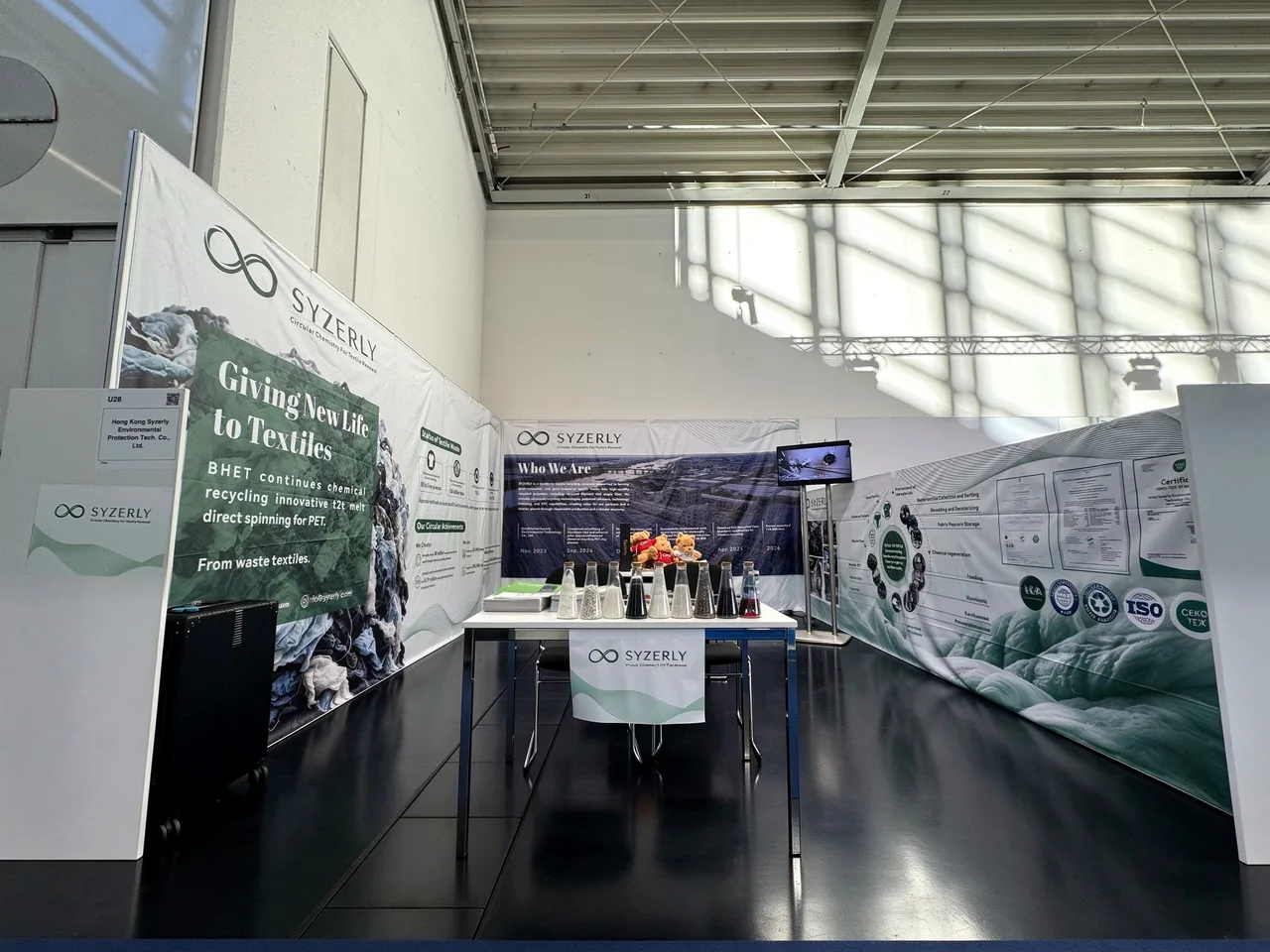
Syzerly hosts a roundtable on green new productive forces. (Photo courtesy of Syzerly)
Digital Empowerment Builds a Solid Technological Moat for "Green Circularity"
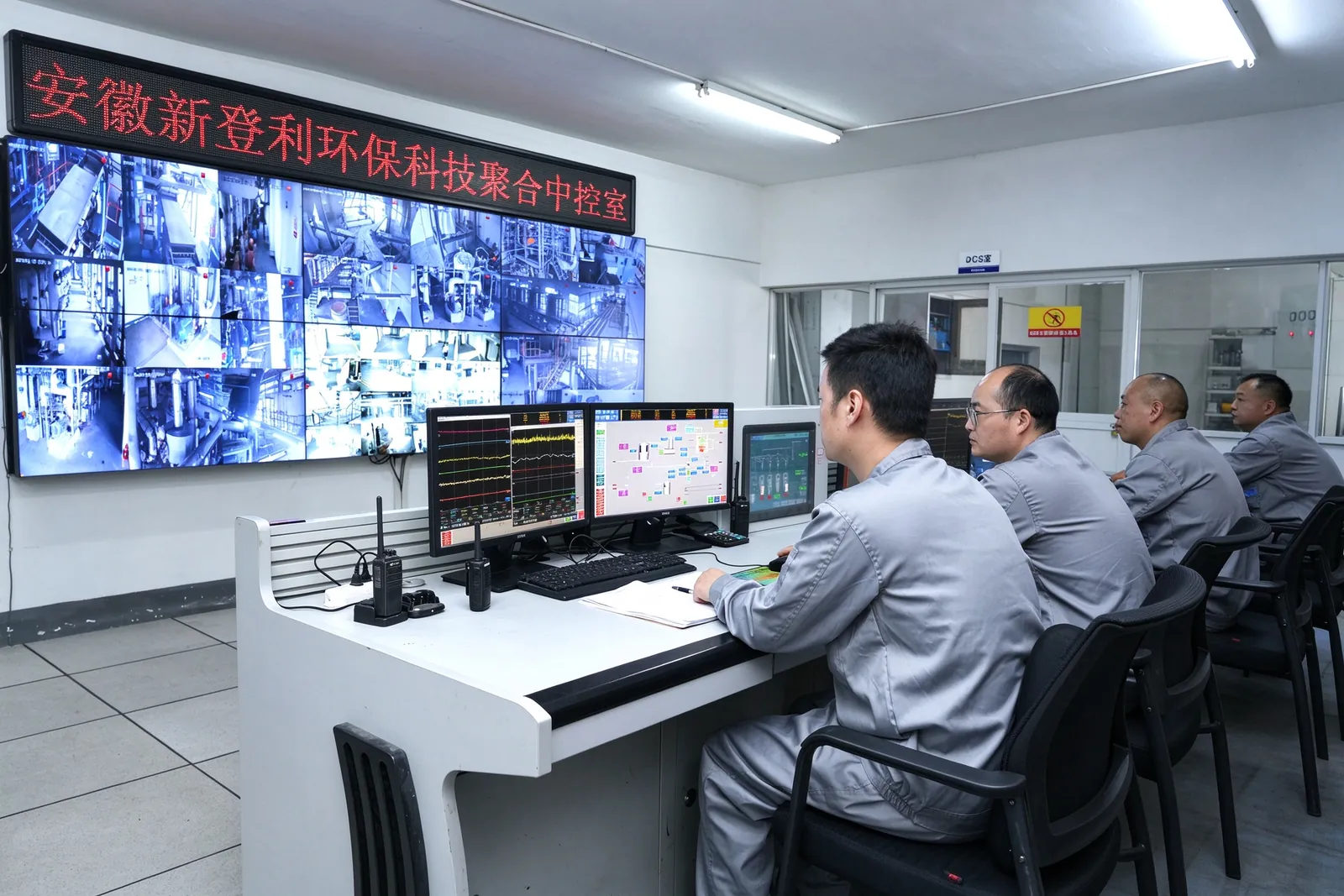
In Syzerly's polymerization control room, four monitoring screens display the real-time operating parameters of more than 400 pieces of equipment. Two staff members can complete full-process monitoring from raw material input to finished product output with a few taps on the keyboard.
"Across the core production stages on these five floors, 7 to 8 people can handle full-process control," Wang Wei explained, pointing to the data streams on the screen. Each package of material carries a unique ID code; once an anomaly occurs, it can be traced to the specific stage within 10 minutes, and automatic equipment start-stop is the norm.
This highly efficient production scene stems from the "intelligent DNA" the company embedded from the very start of production. Its full-process digital workshop and self-developed smart control system have increased production efficiency by more than 30% and built a solid foundation for technology implementation.
More importantly, Syzerly has built a "moat" through a systematic intellectual property layout: at present, the company holds multiple patented technologies and a self-developed, well-established intellectual property system, including nearly 10 invention patents protecting the company's core technology as well as process innovations and reaction equipment.
The hard strength of technology is translating into market influence. This year, Anhui Syzerly participated in drafting the national standards "Quantification Methods and Requirements for Carbon Footprint of Products, Chemical Fibers" (GB/T 45540-2025) and "Requirements for Greenhouse Gas Emissions Accounting and Reporting, Part 47: Chemical Fiber Production Enterprises" (GB/T 32151.47-2024), elevating corporate practice into industry standards.
The backing of top international certifications makes Syzerly's "green passport" all the more substantial. "We have obtained the RCS100 certificate from Control Union Europe and the SGS certificate from Switzerland," Ye Xiaozhe said, displaying the two certificates. The former is a globally authoritative endorsement of T2T technology, while the latter proves that the products are non-toxic, harmless, and pollution-free.
These certifications not only help the company open the door to European and American markets, but also mark that China's new quality productive forces in recycling have joined the ranks of the world's top environmental protection enterprises.
In international markets, the company's recycled raw materials are already in cooperation discussions with several well-known apparel, home textile, and retail brands. "In September this year, we will attend the China International Yarn (Autumn/Winter) Exhibition in Shanghai, when order signing is expected to enter an explosive phase," said Liu Ning, the company's Sales Director.