This article is reposted from China News Service, published on August 12, 2025.
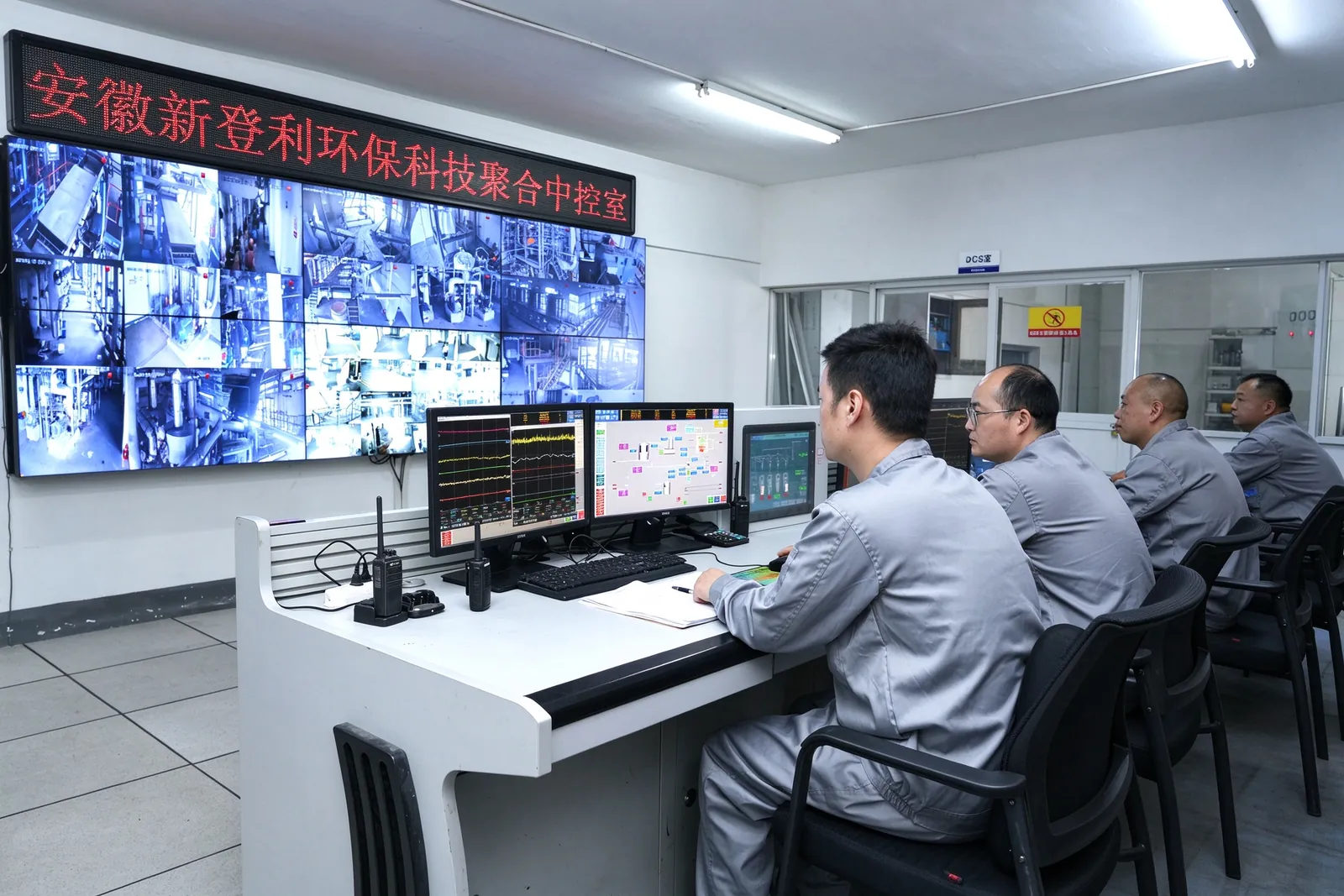
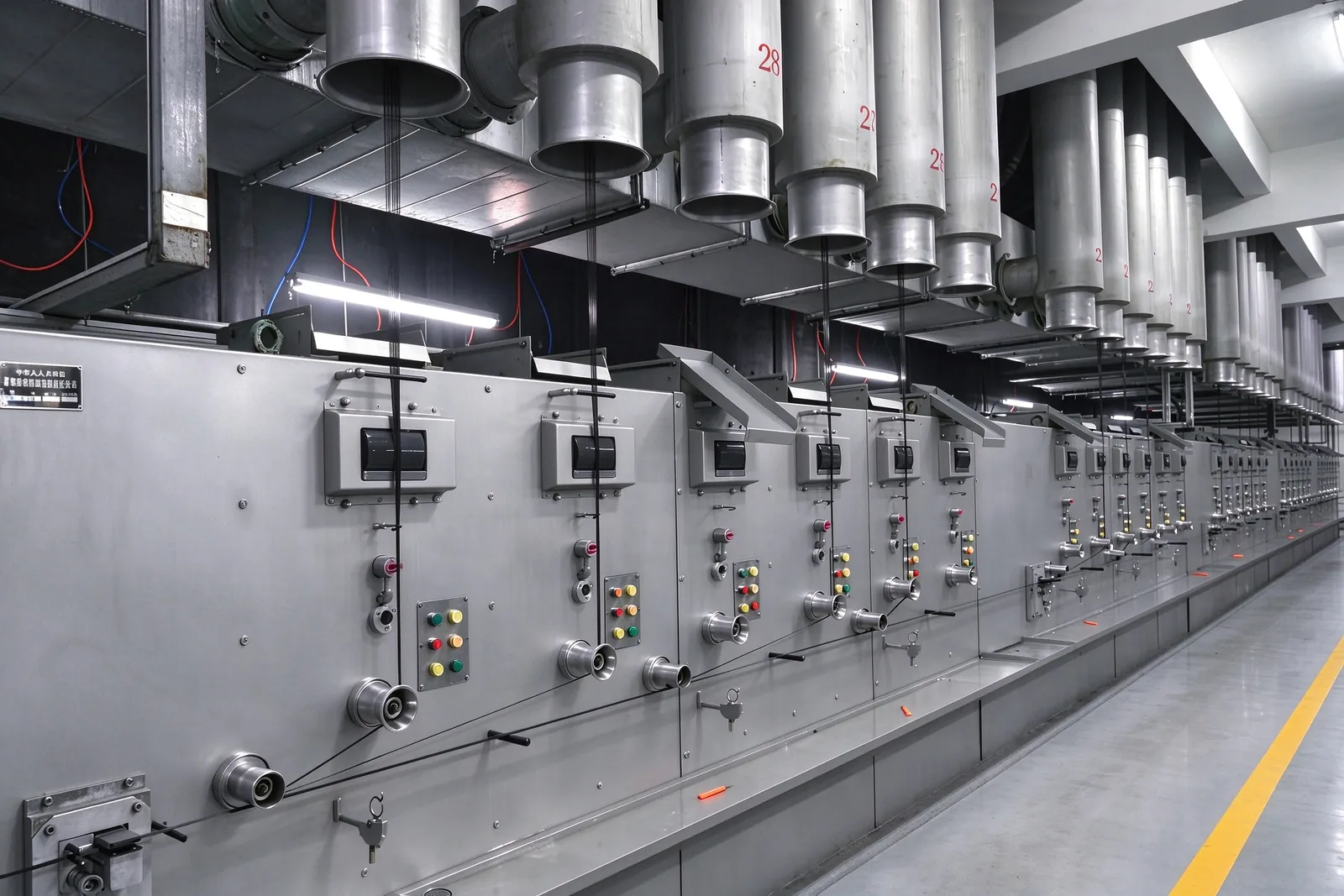
Beijing, August 12 (China News Service) — How can discarded old clothes be "given a new life"? In a private enterprise in Jinzhai County, Anhui Province, fully automated production lines run at high speed. Tens of thousands of tons of old clothes undergo processes such as shredding and high-temperature heating to be transformed into black-and-white pellets, which become raw material for making new garments. The "new life" of textile waste begins here.
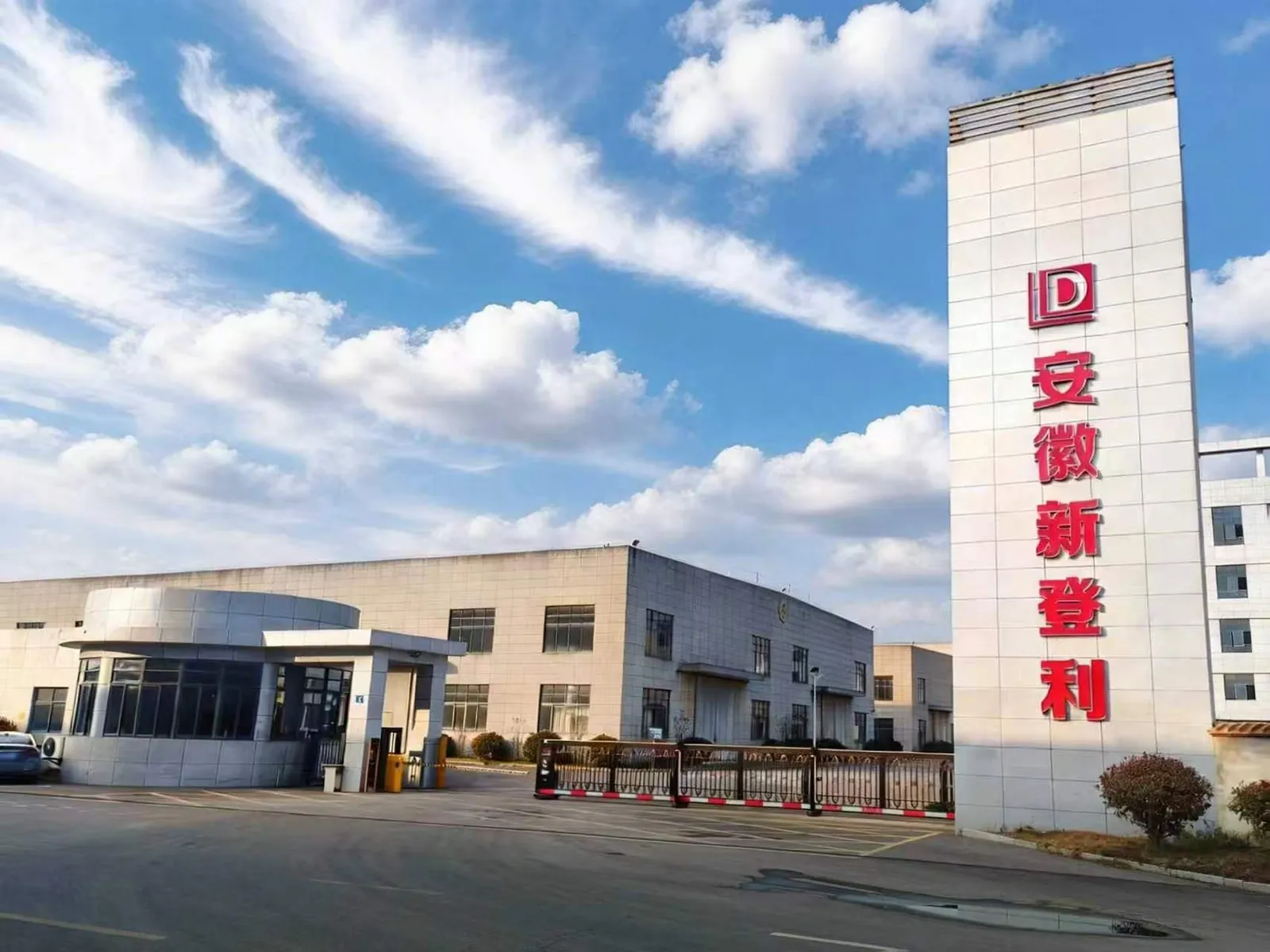
The research event "Focusing on New Quality Productive Forces in Environmental Protection—A Visit to Anhui Syzerly," hosted by the China Economic Media Association and organized by Anhui Economic Newspaper, was held recently in Jinzhai County, Lu'an City, Anhui Province. Using Syzerly as a case study, the event explored a private enterprise's innovative practices in the field of new quality productive forces in environmental protection and decoded breakthrough pathways for the textile industry to develop a circular economy.
According to reports, Jinzhai County has in recent years adhered to the "dual carbon" goals as its guide, focused on new quality productive forces in environmental protection, and systematically built a modern environmental protection industrial system. "At present, the first phase of the Syzerly Environmental Protection Equipment Industrial Park, with total investment of 5.2 billion yuan, has been put into operation, and the second phase is under vigorous construction," said Cao Zuoyi, Deputy Director of the Publicity Department of the CPC Jinzhai County Committee. Leveraging projects such as the Jinzhai Pumped-Storage Power Station and the Huadian Fuxin Wind Power project, the county is striving to explore a full-chain demonstration of "green electricity—green hydrogen—green ammonia," and its carbon sink trading is at the forefront nationwide.
According to available information, China is the world's largest producer and consumer of textiles, processing more than half of the world's total textile fibers, and has a massive domestic stock of textile waste. In 2022, the National Development and Reform Commission, together with relevant departments, issued the "Implementation Opinions on Accelerating the Recycling of Textile Waste," which proposed that by 2025, a textile waste recycling system would be initially established, recycling capacity would be substantially enhanced, the recycling rate of textile waste would reach 25%, and the output of recycled fibers from textile waste would reach 2 million tons. Technology investor He Zeyi noted at the research symposium that against this backdrop, new technological pathways and a new industrial consensus are needed.
Zhang Shuhong, Vice President of the China Economic Media Association, believes that Syzerly has opened a window for many enterprises to observe new quality productive forces in environmental protection. From sustained investment in technology R&D, to integrating environmental protection concepts into industrial innovation measures, to strategic transformation in the face of market challenges, the company embodies the strategy and wisdom of private enterprises in practicing the concept of green development.
It is learned that Syzerly's T2T chemical decomposition technology for textile waste achieves a closed-loop cycle from old clothes to new clothes through chemical decomposition and repolymerization. "T2T stands for Textile to Textile. The technology works by breaking down polyester waste into small chemical molecules, which are then repolymerized into recycled polyester products through steps such as distillation, filtration, and purification," introduced Tian Mingwei, Professor at the College of Textiles and Clothing, Qingdao University. This technology not only reduces the industry's demand for virgin resources such as petroleum, but also significantly lowers its dependence on virgin resources.
"Compared with the virgin petroleum-based route, the T2T chemical recycling system can reduce carbon emissions and energy consumption by approximately 60%–85%, substantially reducing environmental pollution."
— Ye Xiaozhe, General Manager of Syzerly
Ye Xiaozhe said the company's project has a total planned capacity of 100,000–110,000 tons per year. Once fully operational, it will be able to recycle and utilize more than 120,000 tons of textile waste annually and reduce greenhouse gas emissions by more than 480,000 tons, equivalent to the carbon sink effect of 26 million trees.
He Zeyi believes that the deep integration of technology and carbon neutrality has become a structural opportunity in global environmental protection, and that the intersection of "technology + materials + circular economy" is a fulcrum in the next round of industrial restructuring. "Using recycled materials can effectively conserve resources and lower companies' production costs," she said. By mastering recycled material technology, companies can become rule-makers and gain a greater say in international markets.