Following the overseas R&D cooperation agreement reached with the Spanish Association of Science and Technology Businesses in early 2026, Syzerly's European R&D and Innovation Base, the Syzerly EcoTech R&D Center in Barcelona, has recently entered a substantive implementation phase: local entity registration, laboratory site selection, and equipment design and procurement have been completed, with the overall layout proceeding in an orderly manner, officially establishing a two-way collaborative framework of "China headquarters + European R&D center."
Meeting and Signing: Finalizing the Overseas R&D Plan
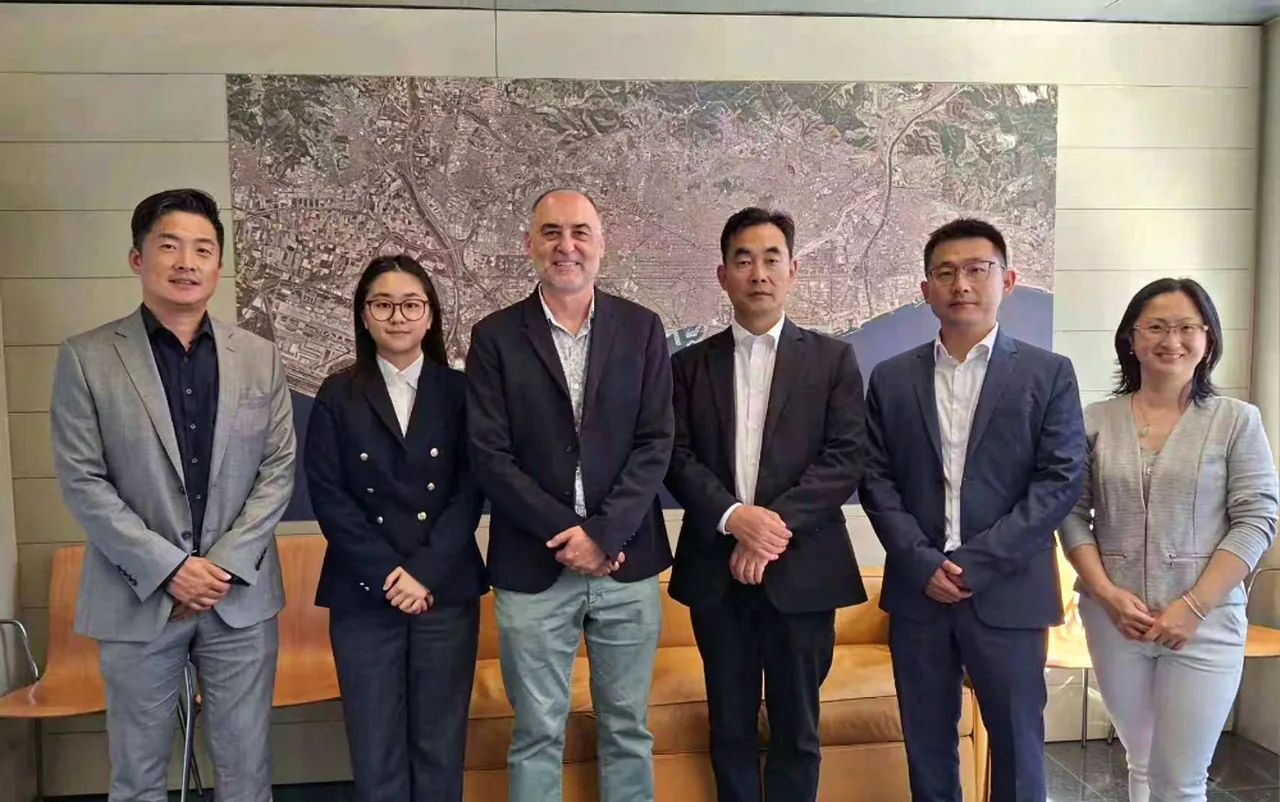
Earlier, a China-Europe industrial exchange co-hosted by the NEXA Foundation and the Spanish Association of Science and Technology Businesses was held in Barcelona. Syzerly was invited to attend and conducted in-depth business matchmaking. At the event, it officially announced a strategic partnership with Eurecat Centre Tecnològic, the Spanish national research center, and convened a strategic preparatory meeting for its European R&D and Innovation Base. The two sides reached consensus on core topics including R&D of new recycled chemical fiber materials, EU environmental compliance technologies, iteration of post-consumer textile recycling processes, and adaptation of green products to European and American brand standards, laying a solid foundation of cooperation for the establishment of the Spanish R&D center. Leveraging Spain's locational advantages, textile industry research ecosystem, and the clustering effect of leading European brands, the two sides finalized the R&D center's site selection and phased construction plan, and simultaneously engaged with relevant departments of the Barcelona city government, securing local policy and industrial resource support.
Multi-Track Coordination Advances, Center Preparations Proceed in an Orderly Manner
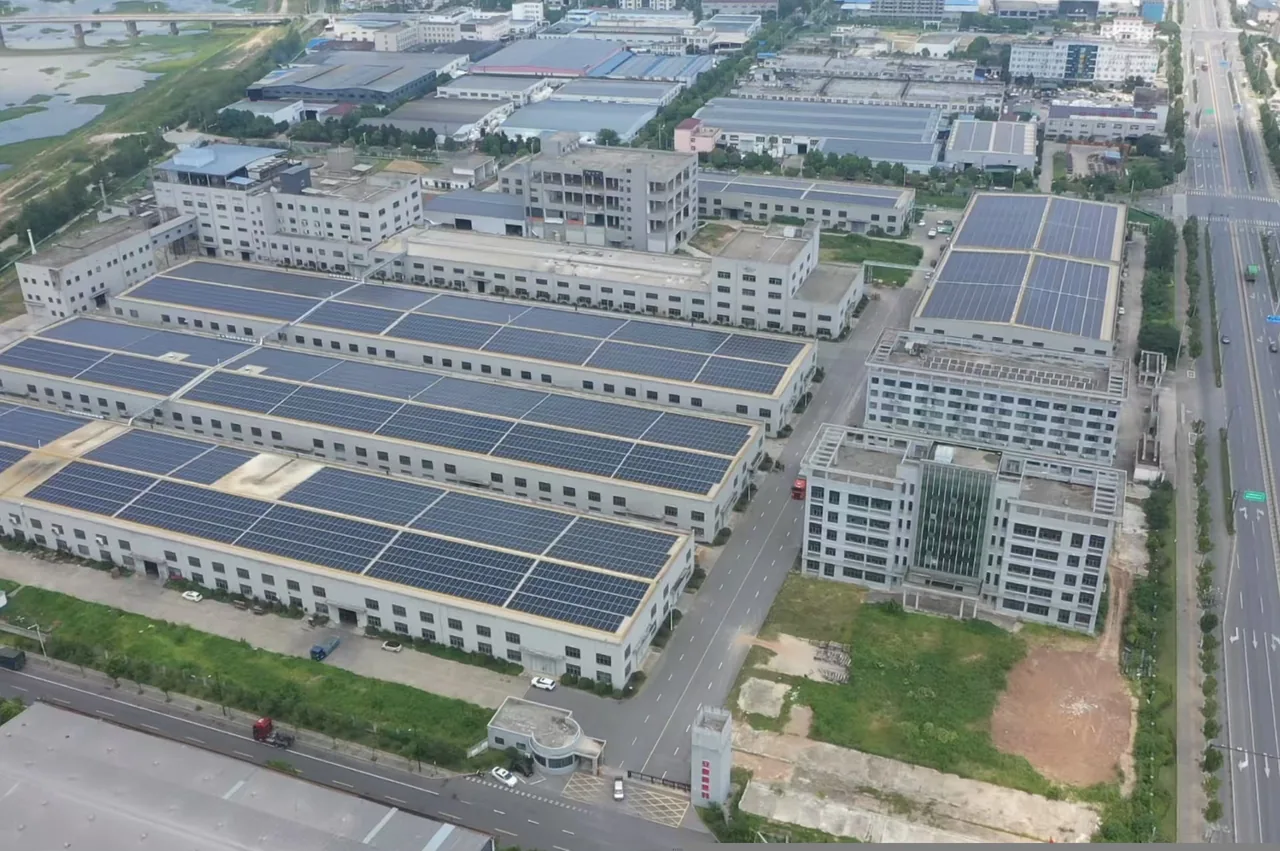
From finalizing cooperation intentions to the project gradually taking shape on the ground, Syzerly's team made multiple trips to Europe within six months for on-site visits and negotiations. It successively engaged with the Spanish national research center Eurecat, the Universitat Politècnica de Catalunya, the Canet de Mar Textile School, the Spanish Economic and Commercial Office, Barcelona City Council, and the Barcelona Investment Office, while screening R&D sites and completing various overseas implementation procedures, including business registration of an independent overseas company, tax registration, research qualification applications, and overseas talent recruitment. The Barcelona government provided detailed briefings on local industrial support policies, research park facilities, and specific subsidy rules for environmental R&D projects, clarifying the support policies for subsequent laboratory operations and local transformation of technological results. The team conducted on-site inspections of laboratory premises, confirming details such as physical and chemical equipment layout, zoning, and emission access requirements. In addition, the Deputy Mayor of Barcelona and the Director of the Barcelona Investment Office were invited to visit China and toured Syzerly's headquarters.
Three Core Functions Underpin the China-Europe Synergy Model
The Syzerly EcoTech R&D Center is a key component of Syzerly's overseas layout and undertakes three core functions. First, cutting-edge technology R&D: keeping pace with the latest European standards for the recycled materials industry, it develops products tailored to overseas brands, such as recycled chips and dope-dyed filament, and continuously optimizes chemical recycling purification processes to reduce the cost of decolorization at mass-production scale. Second, upfront compliance control: it conducts in-depth research on EU environmental regulations, carbon footprint accounting rules, extended producer responsibility (EPR) systems, and international standards such as SMETA and BSCI, controlling product compliance from the R&D source to shorten overseas certification cycles for new products. Third, market demand feedback: staying close to the European end market, it promptly collects brand technical requirements and new industry technology trends, and channels overseas R&D results back to the China headquarters, achieving efficient linkage in which R&D happens overseas and is taken up domestically.
Leveraging its Spanish R&D center, Syzerly is further improving its overseas technical support capabilities, enhancing the market competitiveness of its recycled products, and connecting a green industry chain that spans "European R&D and innovation, domestic intelligent manufacturing, and global brand supply." In the future, the company will continue to take technology R&D as its foundation, rely on its China-Europe two-way R&D and production platform, deepen its business in the resource utilization of post-consumer textiles, steadily expand overseas markets, and contribute to the development of the global circular economy.