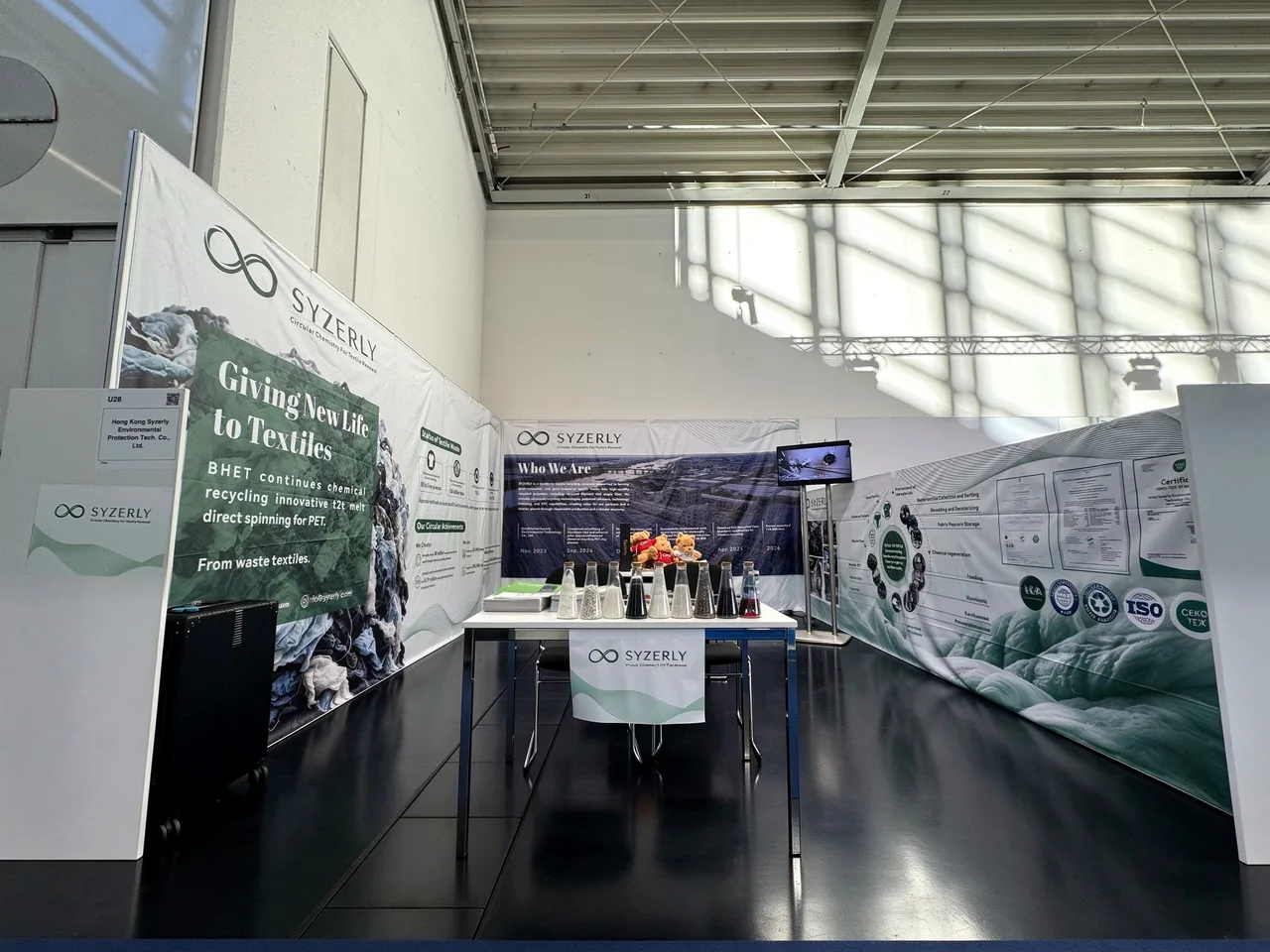
In August 2026, the three-day 2026 China International Yarn Exhibition (Autumn/Winter) drew to a close at the National Exhibition and Convention Center (Shanghai). Syzerly exhibited its full suite of chemical recycling technology solutions alongside a product matrix of recycled polyester chips, recycled polyester filament, and recycled polyester staple fiber, engaging in in-depth exchanges with domestic and international brand companies, textile mills, and industry peers to jointly explore the industrialization pathways for high-value recycling and reuse of textile waste.
Focusing on Green and Low-Carbon Transformation, the Exhibition Sends a Clear Signal
This year's exhibition covered an exhibition area of 27,000 square meters and brought together nearly 600 domestic and international exhibitors. Held alongside the fabrics, apparel, and knitting exhibitions as a four-show joint event, it connected the complete industry chain from yarn raw materials to finished garments, serving as a key window for observing trends in domestic recycled fibers and sustainable textiles. On the show floor, sustainability, low-carbon closed-loop systems, and high-quality recycling emerged as high-frequency keywords. Requirements such as the EU's Ecodesign for Sustainable Products Regulation (ESPR), carbon footprint accounting and supply chain traceability are now hard purchasing criteria for overseas brands, and are pushing upstream material suppliers to move faster on technology.
Confronting Industry Pain Points, the Value of Chemical Recycling Stands Out
During the exchanges, the pain points widely reported by the industry were fairly concentrated: the traditional mechanical recycling model is heavily constrained by raw materials, blended fabrics and dark-dyed used clothing are difficult to process, and the resulting products can only be downcycled, with notable quality fluctuations and prominent color difference and impurity issues, making it hard to enter high-end brand supply chains. At the same time, downstream brands urgently need recycled raw materials capable of achieving "textile-to-textile" closed-loop recycling, and genuine market demand for same-grade recycled polyester is being rapidly unleashed.
With BHET Glycolysis at the Core, Achieving Same-Grade Regeneration of Textile Waste
In response to industry pain points, Syzerly offers a chemical closed-loop recycling solution for textile waste centered on the BHET glycolysis process. Leveraging molecular-level depolymerization and purification technology, the company can break down traditionally hard-to-recycle waste, such as used polyester garments, blended fabrics, and dyed old textiles, into high-purity BHET monomers, which are then re-polymerized and spun into fibers. The resulting products match virgin polyester in performance, color fastness, strength, and other properties, achieving same-grade recycling in which "old clothes become new clothes." On the one hand, this solution broadens the resource recovery pathways for blended, dark-colored, and other textile waste; on the other, its stable product quality supports high-value applications such as high-end fashion, sports and outdoor apparel, home textiles, and automotive interiors. It can also be accompanied by carbon footprint and LCA-related documentation to meet domestic and international brands' ESG requirements and EU ESPR policy compliance, helping downstream customers expand into overseas markets.
Opening Up Technology Export to Enable Large-Scale Industry Implementation
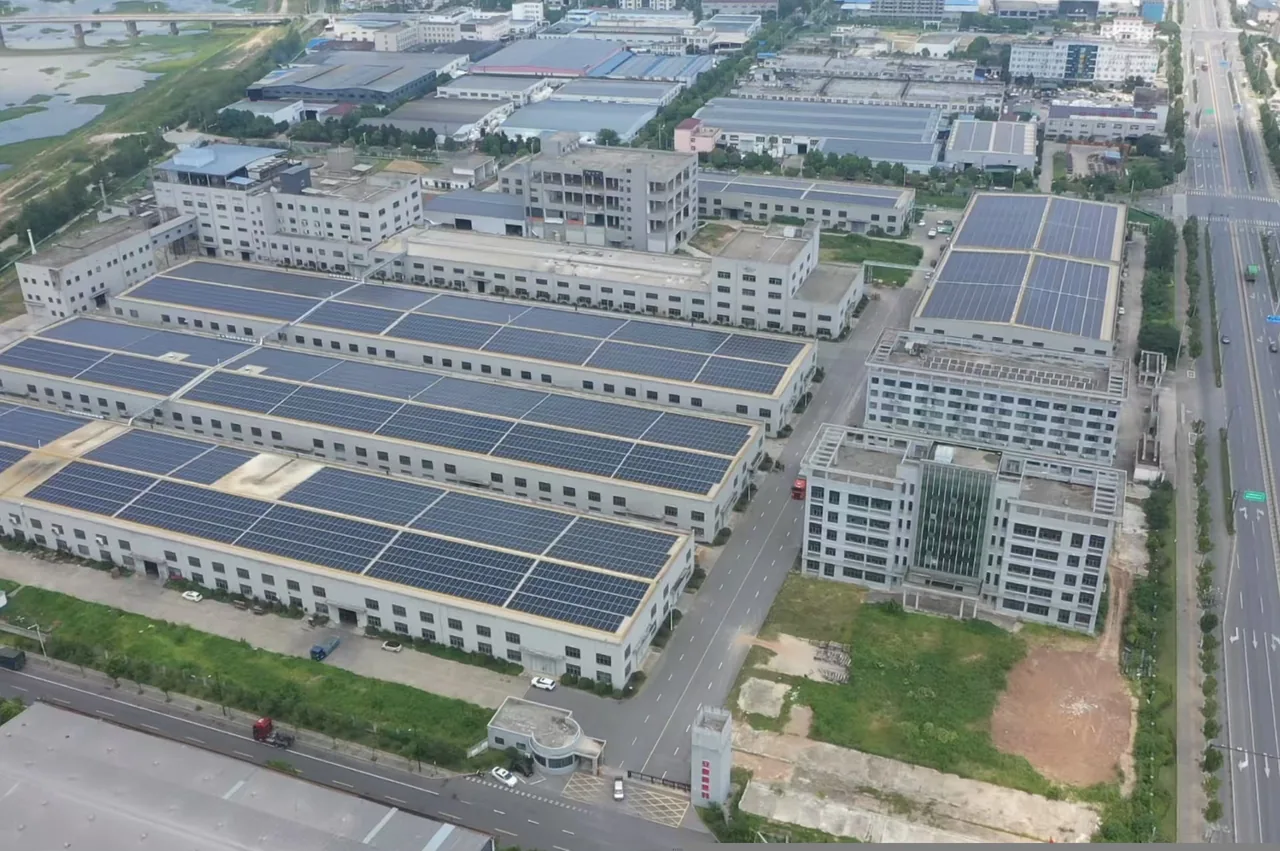
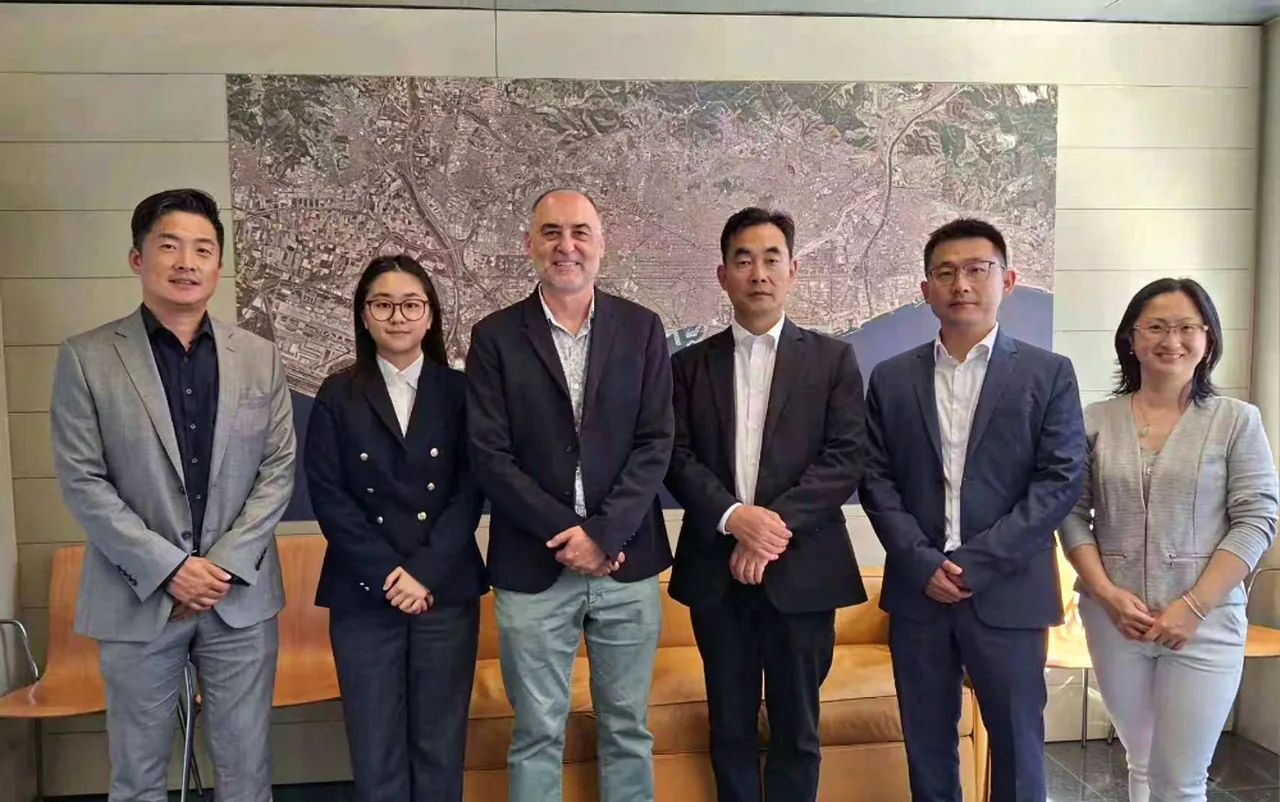
In addition to procurement inquiries from brands, fabric mills, and yarn spinners, the exhibition also drew a large number of industry peers to visit and exchange ideas. Syzerly has completed full-chain large-scale validation of chemical recycling of textile waste, from feedstock intake and depolymerization and refining to polymerization and spinning—and can provide technology export and EPC turnkey contracting services for enterprises interested in entering this field, covering project planning, production line construction, process optimization, and procurement of finished raw materials, thereby lowering the barrier to industrialization. During the exhibition, multiple companies held discussions with the Syzerly team on topics such as process routes, feedstock handling, cost models, production line construction, and policy compliance.
The exhibition has ended, but innovation continues. Syzerly will continue to deepen its work in chemical recycling technology for textile waste—on the one hand, exporting mature industrialized technology solutions to empower industry chain partners; on the other, steadily supplying high-quality recycled chips, filament, and staple fiber products, working with upstream and downstream players to jointly advance the green and low-carbon transformation of the textile industry.