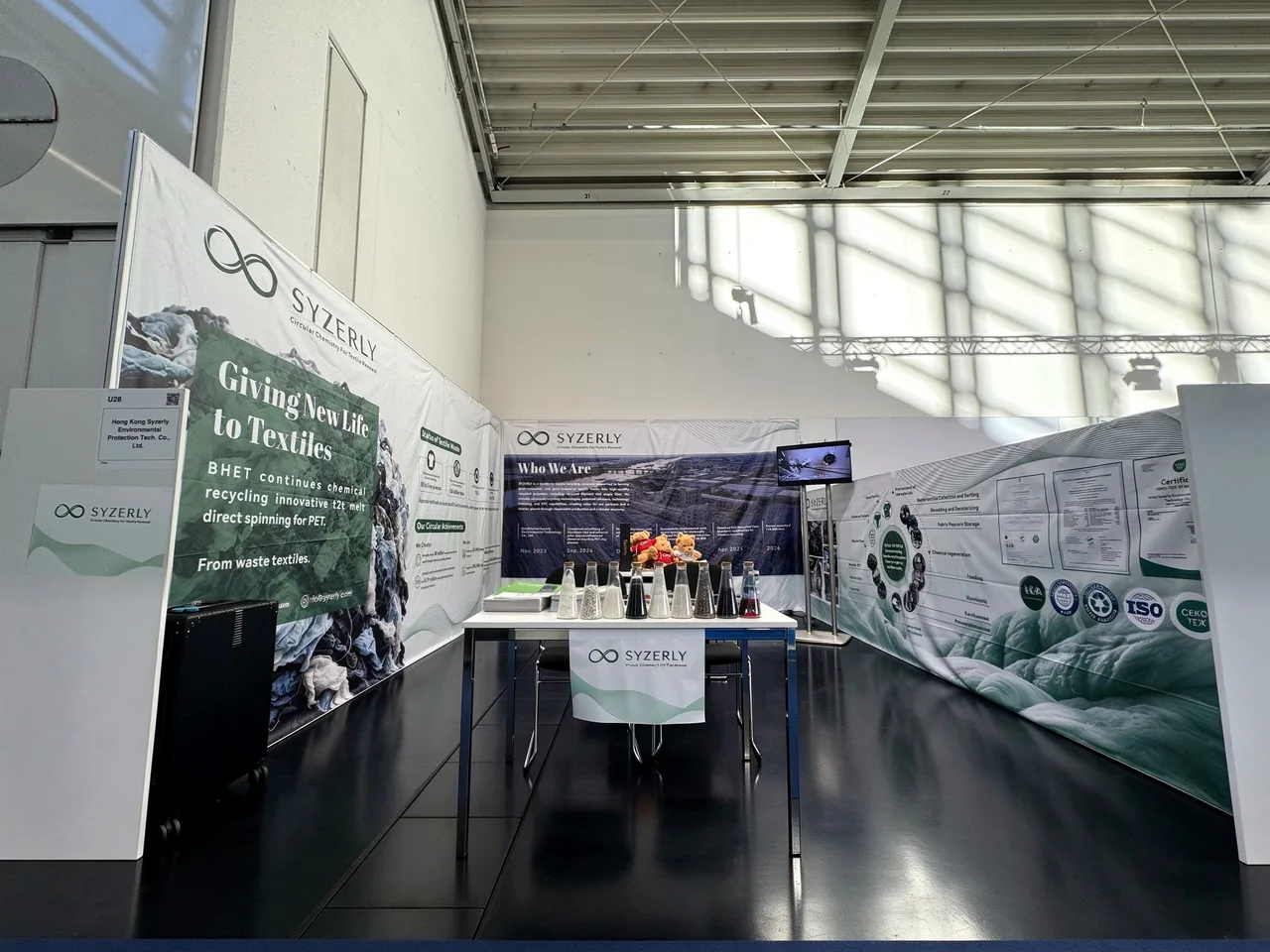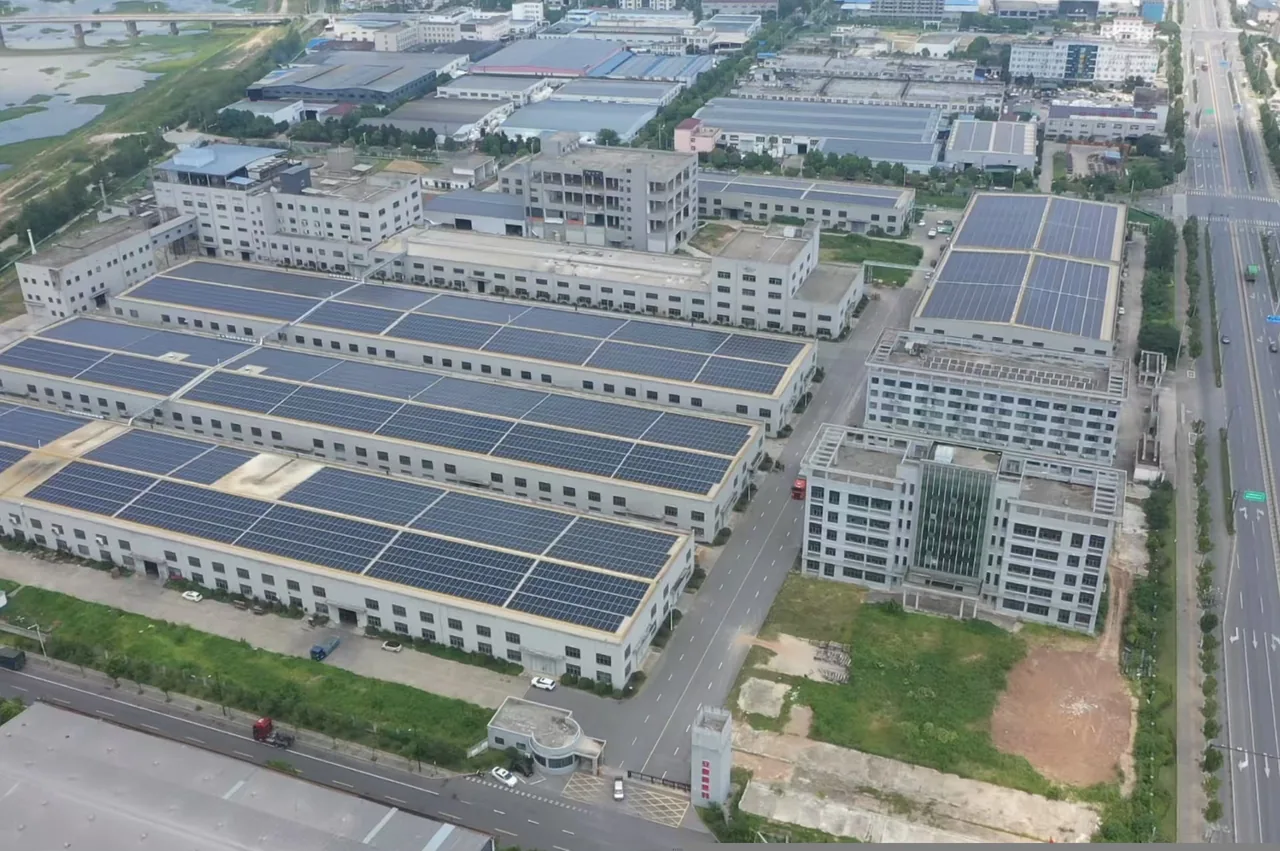
In September 2026, the Ministry of Industry and Information Technology and other government departments jointly issued the "15th Five-Year Plan for the Development of the Light Industry and Textile Industry," and the "15th Five-Year Plan for Green and Low-Carbon Industrial Development" also listed textile waste recycling as a key task. As an industrialized enterprise in the field of chemical recycling of textile waste, Syzerly has long been dedicated to this sector, responding to the national top-level design with its self-developed chemical depolymerization technology and large-scale production capacity.
Policy Signals Clear Direction as Textile Waste Recycling Picks Up Speed
The "15th Five-Year Plan for the Development of the Light Industry and Textile Industry" proposes to "break through the technical bottleneck of separating and reusing blended fiber materials" and "build a full-chain closed-loop system covering collection, sorting, regeneration, and application." The "15th Five-Year Plan for Green and Low-Carbon Industrial Development" explicitly calls for improving the industrial resource recycling system, steadily increasing the proportion of recycled materials used in the textile sector, and proposes to "advance the industrialized application of chemical recycling of waste plastics in an orderly manner," providing top-level policy support for the development of chemical recycling technologies for textile waste.
Global Textile Waste Recycling Still in Its Early Stages
Looking at the global market, the 2026 Materials Market Report released by Textile Exchange shows that in 2025, textile-to-textile recycled fibers accounted for only 0.76% of total global fiber production. Although this represents growth compared with previous years, it remains at a relatively low level of development. The high-value chemical regeneration of blended textile waste is a challenge shared by the global textile industry.
Deepening the Chemical Depolymerization Pathway to Build a Full-Chain Closed-Loop System
Syzerly has long focused on the BHET chemical depolymerization pathway, chemically reducing polyester textile waste back to basic monomers to achieve closed-loop regeneration at the polymer material level. The foundation of green recycling lies in standardized sourcing and full-chain traceability: the company works closely with leading domestic recycling platforms to build a full-process traceability system spanning standardized collection of discarded clothing, standardized sorting, and refined regeneration at its plant. It has also obtained a verified LCA (life cycle assessment) statement, using quantitative data to validate its products' carbon reduction performance and to support downstream brands' overseas expansion and green supply chain compliance certification.
Digital-Intelligent Empowerment and Global Collaboration Advance in Tandem
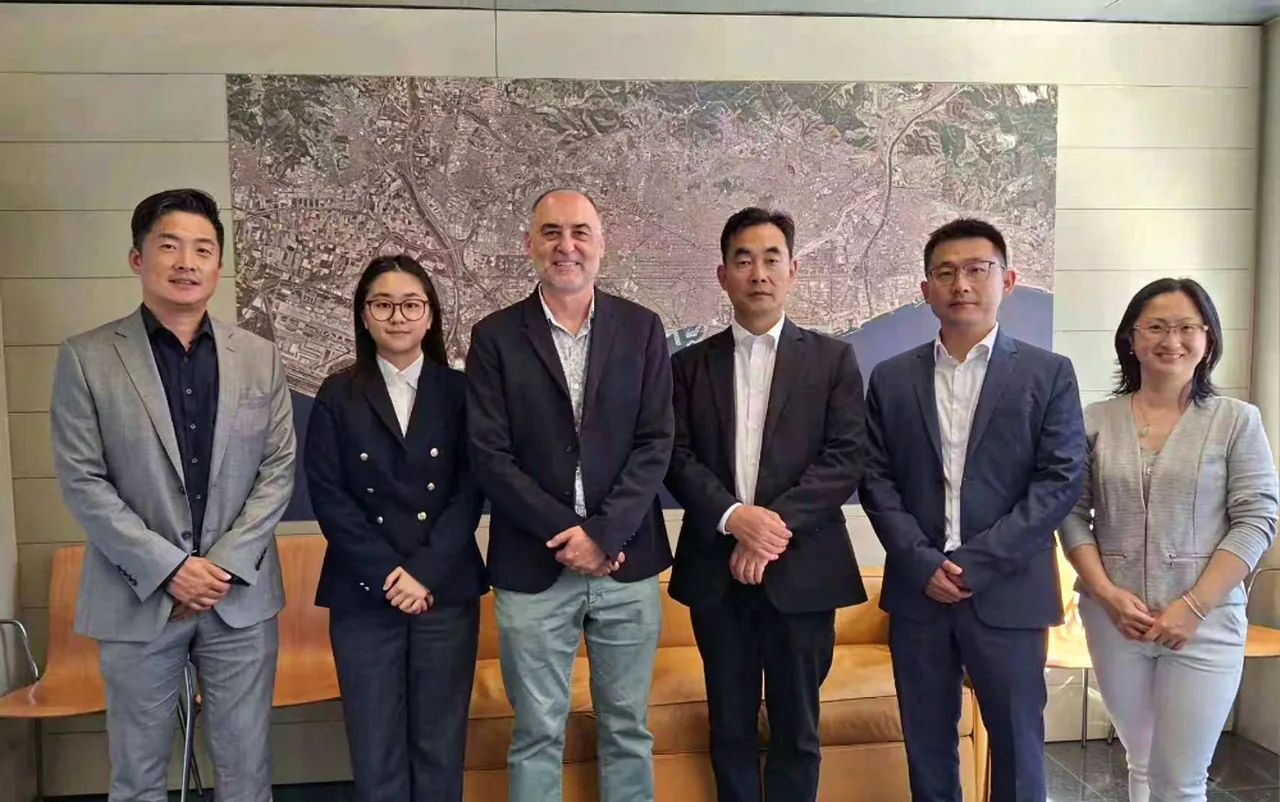
Looking ahead to the 15th Five-Year Plan period, Syzerly is actively responding to China's "AI + green manufacturing" development direction. On the digital-intelligent front, the company is integrating digital twin and intelligent control systems into its production lines to continuously optimize reaction processes and improve production efficiency and batch-to-batch product consistency. On the global collaboration front, drawing on an international brand operation approach, it continues to expand global brand and supply chain partnerships and to export China's self-developed chemical recycling technology solutions for textile waste.
From top-level policy blueprints to the recycled chips, recycled fibers, and filaments continuously rolling off the production line, a green textile transformation driven by technological innovation is taking shape. Syzerly will continue to deepen its work in the high-value recycling and reuse of textile waste, contributing to the green and low-carbon transformation of the textile industry.